80%
70% suppliers within London
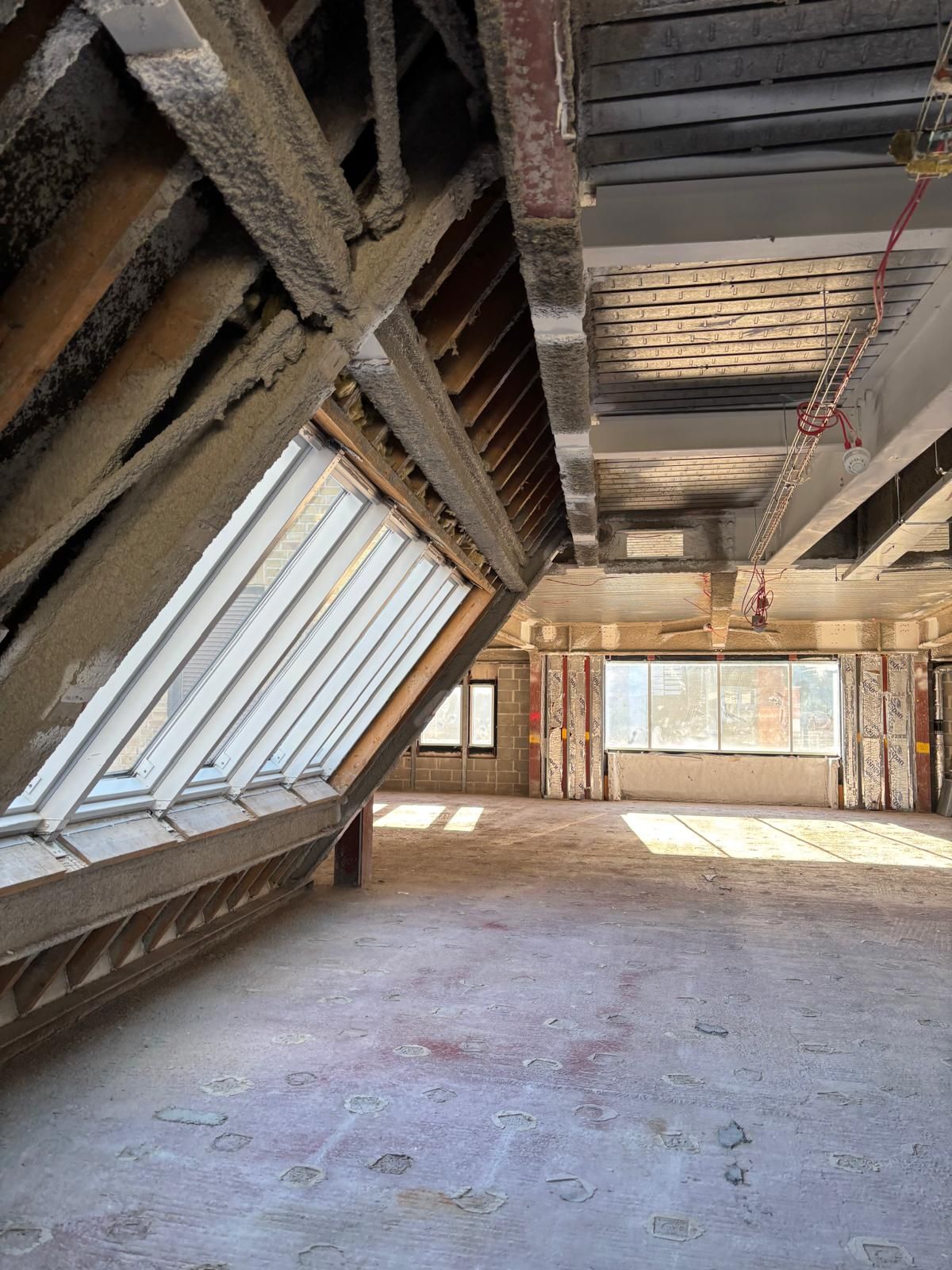

We take environmental management seriously. It is an integral part of how we operate and is vital to the successful delivery of all our projects. We know our business has an impact on the environment, so we have a responsibility to ensure we mitigate these impacts.
We take a proactive approach to environmental management, by actively managing the risks to reduce our impact before any incidents can occur. Our site team, including the supply chain, work together on the procurement of sustainable materials. We can manage any project specific environmental management and wellbeing assessments, supporting BREEAM, SKA and WELL projects.
Impact
80%
70% suppliers within London
40%
of spend directed to local SMEs
across 2025 projects
25%
of fit-outs reusing existing partitions or joinery
calendar year 2025
ISO
14001 & 9001
80%
70% suppliers within London
40%
of spend directed to local SMEs
across 2025 projects
25%
of fit-outs reusing existing partitions or joinery
calendar year 2025
ISO
14001 & 9001
On site

Our business spreads the added social value agenda well beyond our own operations with a wide range of community schemes, dedicated to sustaining charities through our partnering approach with the aim of integrating communities back together, helping communities in need where there is not enough money in the local authority budgets. When working with our clients, we ensure that our efforts align with their values and priorities. We are committed to giving back to the communities in and around our project locations, partnering with local charities and organisations that matter to them. This collaborative approach helps create lasting, positive impact and ensures our projects contribute to the well-being of the communities we serve.
Our commitment
FSC and PEFC-certified timber as standard. Low-VOC paints and adhesives across every spec. Recycled-content panels, fabrics, and acoustic products where the performance brief allows it.
Whole-life carbon captured for every project against the RICS framework. Reductions are tracked against a baseline so claims can be evidenced, not estimated.
Mechanical fixings over adhesives. Modular partition systems. Standardised dimensions so the next fit-out inherits ours rather than skipping it. The most sustainable fit-out is the one that's still in use.
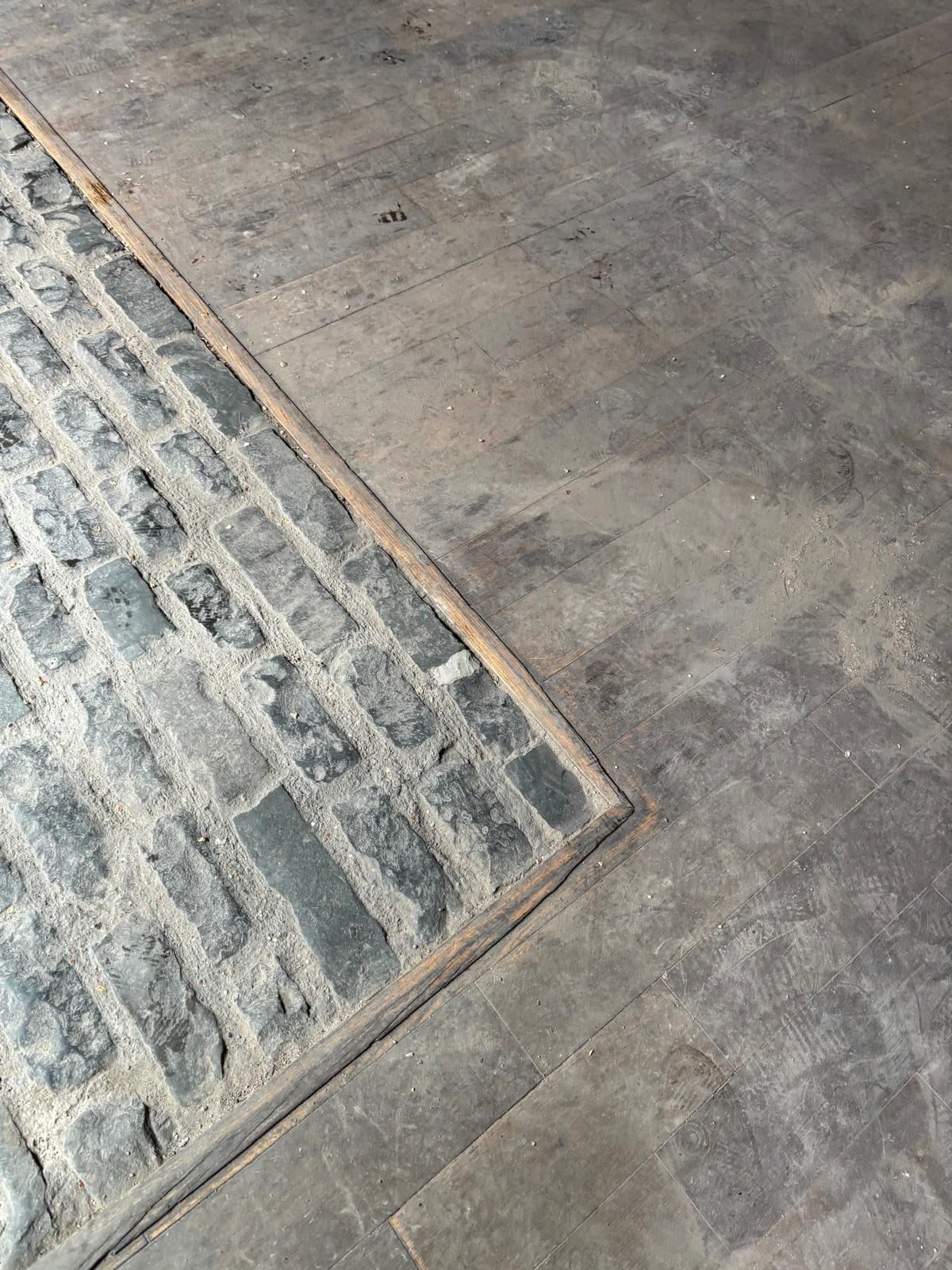
The most sustainable spec is the one that doesn't ship in a new product. We've kept everything from joinery to glazed partitions — the rule is condition!
Our build team is trained to refinish, recover, and re-skin existing assets. Furniture, joinery, and lighting are all candidates for restoration rather than replacement.
Project Accreditations